
Welcome to the School Counseling
Purpose
The School Counselor, in collaboration with educators, families, and the community, assumes shared responsibility for the academic, career, and social/emotional development of all students. Through a comprehensive, data-informed, and developmentally appropriate counseling program, the counselor provides equitable access to support and resources that foster every student’s growth and success.
I am committed to fostering a safe, respectful, and supportive learning environment where all students feel valued and encouraged to express themselves in a respectful and constructive manner. As a student advocate and school counselor, I strive to help students build strong intrapersonal and interpersonal skills, recognize their individual strengths, and develop confidence in achieving their personal and academic goals. Through a focus on character development, resilience, and lifelong learning, I aim to empower students to become responsible, compassionate, and productive members of our school and community.
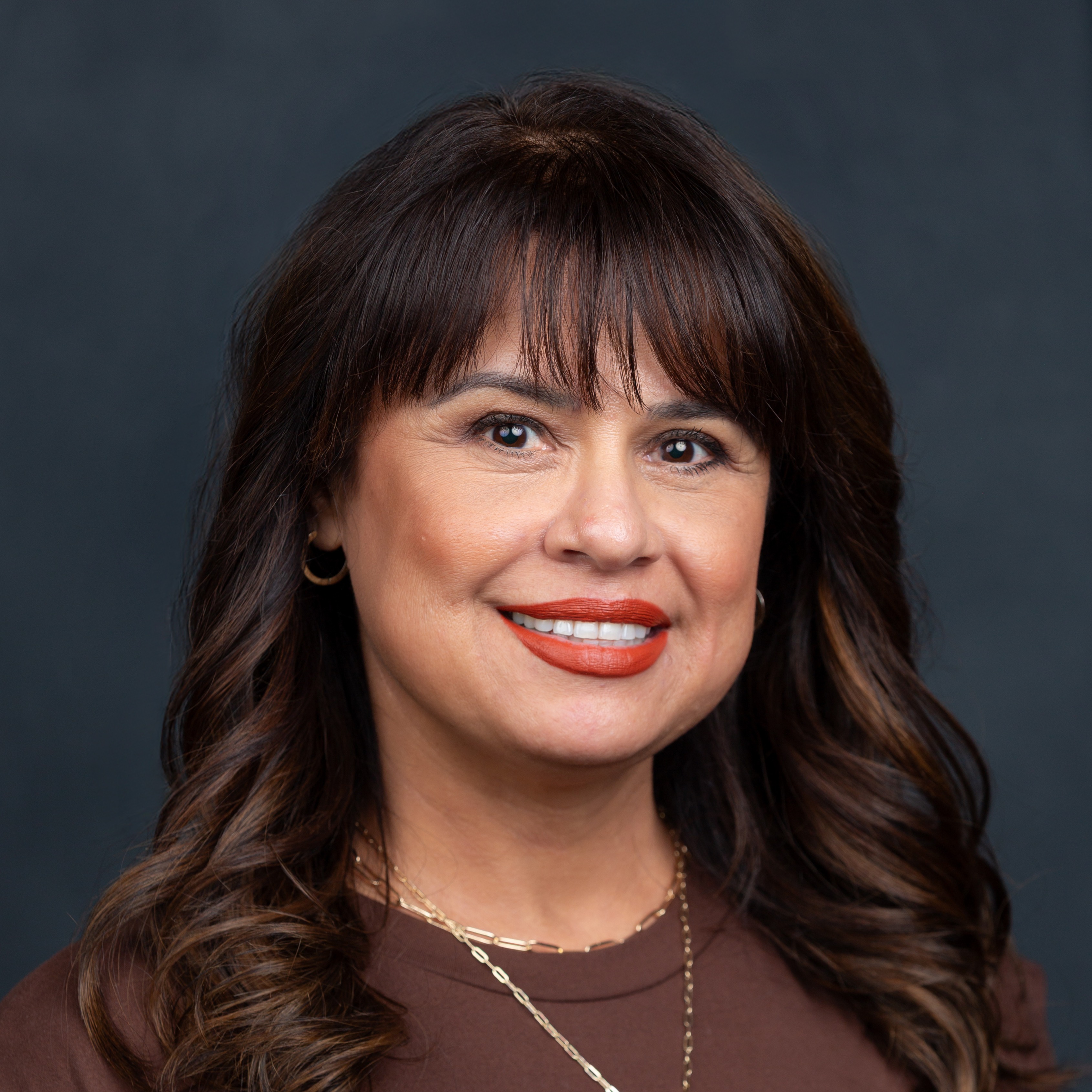
Ms. Veronica Soto
Phone 915-434-4504
Role of a School Counselor
The role of a school counselor, as outlined by the ASCA (American School Counselor Association) National Model and the Texas Model for Comprehensive School Counseling , encompasses various responsibilities to support students' academic, social, and emotional development. Here's a summary with bulleted points:
Academic Guidance:
Assist students in developing academic goals and plans.
Guide course selection and career pathways.
Monitor and address academic progress and challenges.
Social-Emotional Support:
Foster a positive school environment conducive to emotional well-being.
Offer counseling services to address students' social and emotional concerns.
Promote interpersonal skills and conflict resolution.
Career Development:
Facilitate exploration of career options and interests.
Provide information on post-secondary education and career pathways.
Assist in developing career-related skills and goals.
Individual and Group Counseling:
Conduct one-on-one counseling sessions to address personal challenges.
Facilitate group counseling sessions for specific issues or concerns.
Implement interventions to enhance students' social skills.
Advocacy and Collaboration:
Advocate for students' needs within the school community.
Collaborate with teachers, parents, and administrators to support student success.
Play a key role in creating a positive and inclusive school culture.
Crisis Intervention:
Provide immediate support and intervention during crises.
Collaborate with relevant stakeholders to address emergencies.
Implement strategies to help students cope with traumatic events.
Data Analysis and Assessment:
Utilize data to assess the effectiveness of counseling programs.
Analyze academic and behavioral trends to inform decision-making.
Continuously evaluate and improve counseling services based on outcomes.